


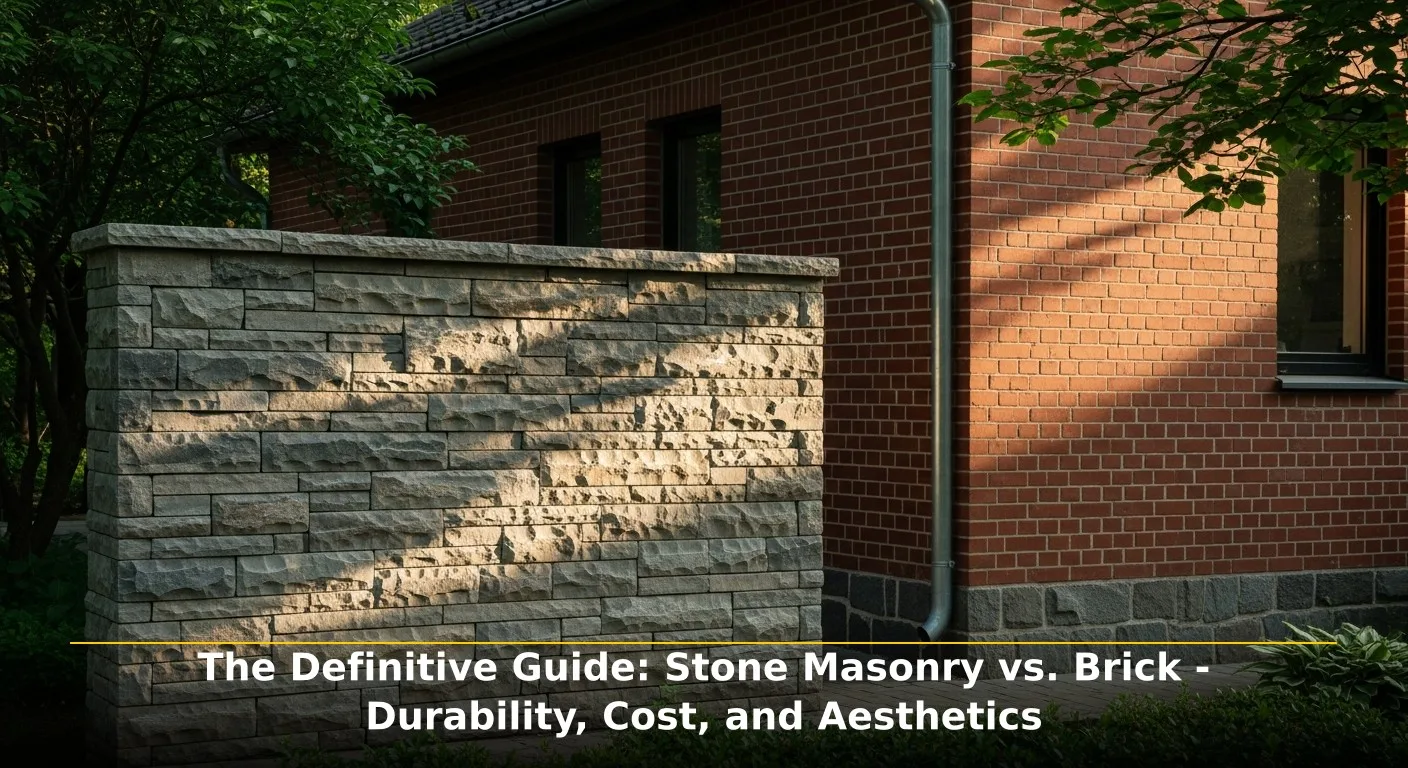
Choosing the right masonry material is a foundational decision for any residential or commercial project. For homeowners and builders in climates like Minnesota, balancing aesthetics, budget, and, crucially, the ability to withstand a demanding climate with 90+ annual freeze-thaw cycles is crucial. Stone and brick are both timeless materials, but they offer distinct advantages and challenges.
This updated guide provides a detailed, fact-checked comparison of natural stone vs. brick masonry, empowering you to make an informed decision for your next build or renovation.
1. The Battle of Durability: Weather Resistance and Lifespan

In masonry, durability measures how a material resists environmental stress while maintaining its structural and visual integrity. The primary adversary in colder regions is a relentless freeze-thaw cycle.
A. The Inherent Strength of Natural Stone
Natural stone is the pinnacle of masonry durability. Formed over millennia under immense pressure, its dense, minimally porous structure makes it exceptionally resistant to water absorption.
- Freeze-Thaw Resistance: With water absorption rates often below 3%-5%, stone offers superior resistance. Water cannot penetrate deeply enough to create the expansive ice pressure destroying weaker materials.
- Lifespan: A properly constructed stone structure can last for centuries. Historic stone buildings stand as a testament to its longevity, often requiring minor repointing even after 100+ years.
- Abrasion Resistance: Stone is highly resistant to surface wear, including abrasive effects of wind-blown debris and sand.
B. The Engineered Resilience of Brick
Brick is a manufactured product, typically from fired clay. Highly durable, it’s more dependent on manufacturing quality and installation.
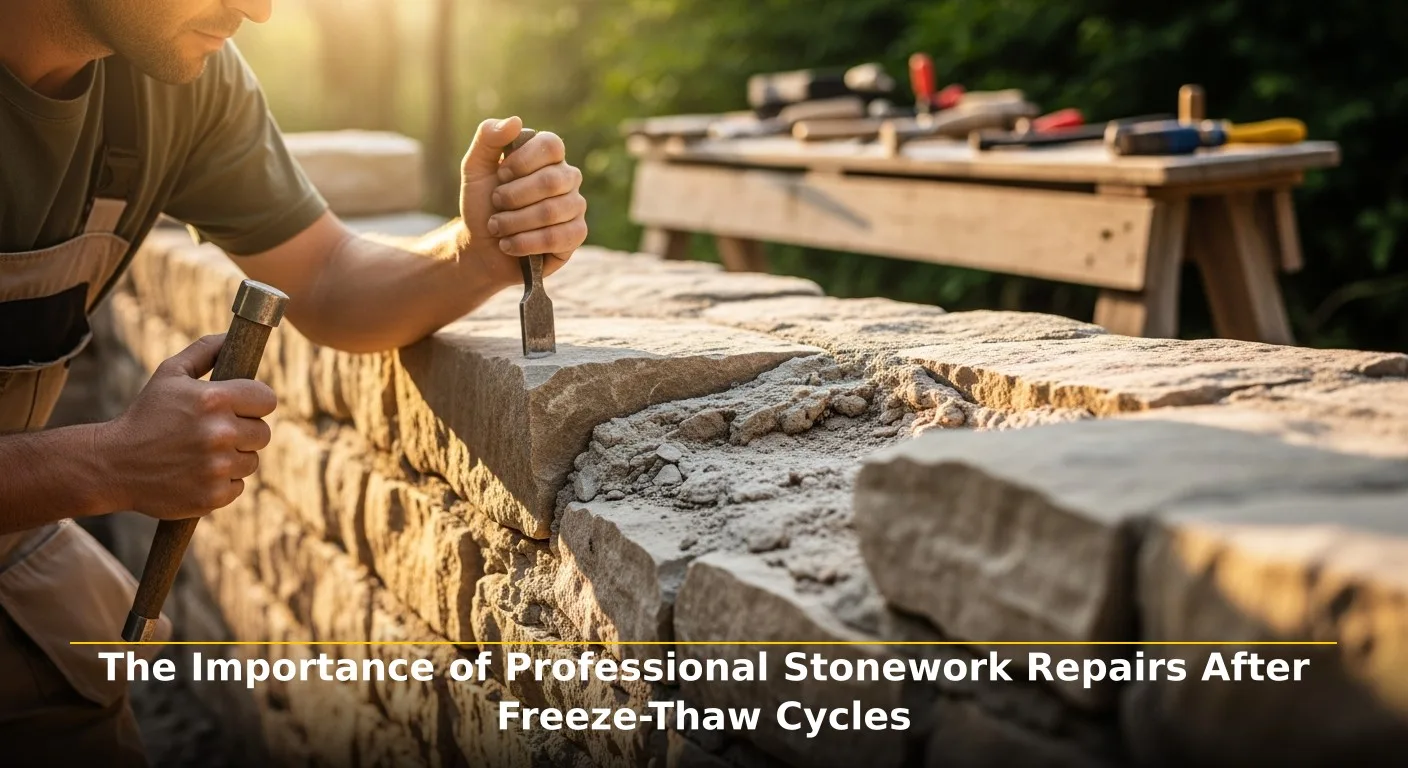
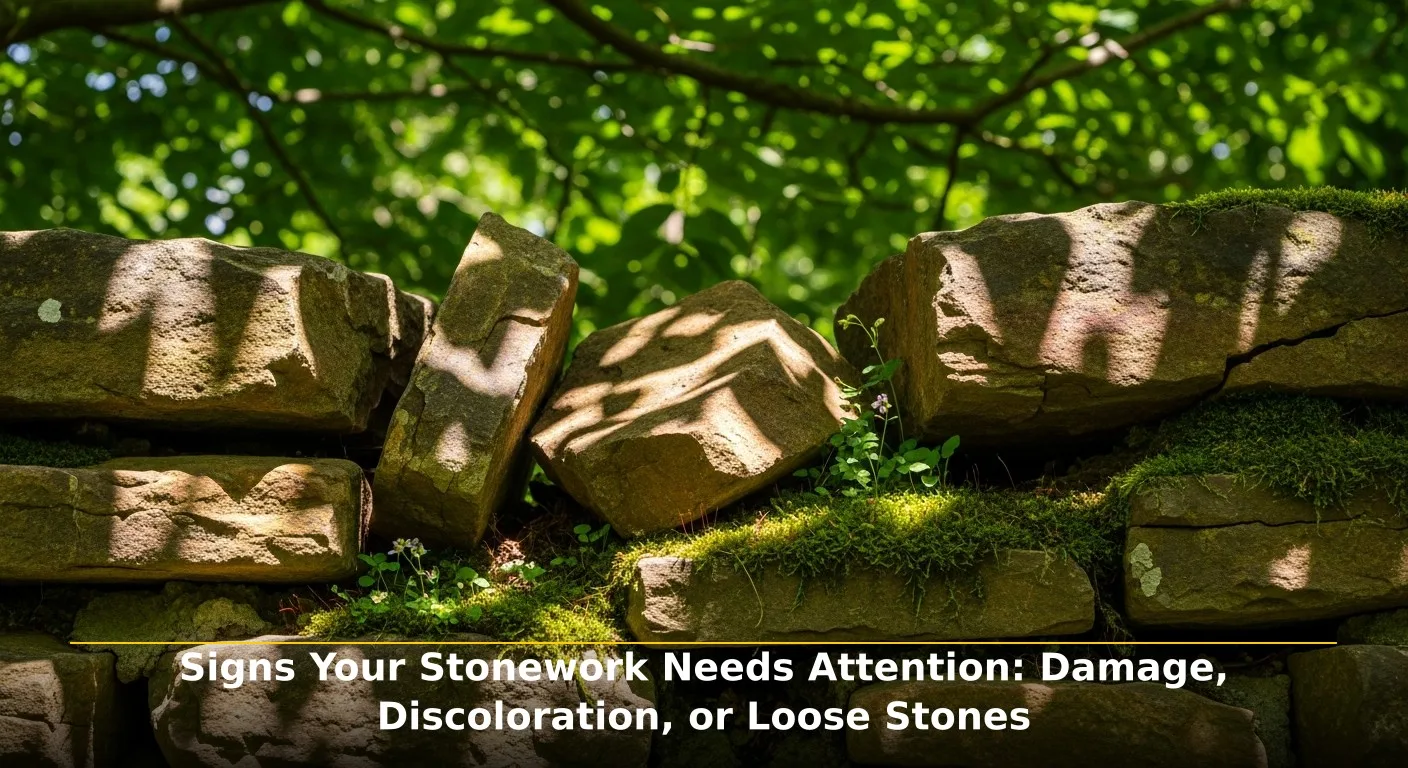
- Freeze-Thaw Resistance: Elite quality, vitrified brick (fired at high temperatures) has low porosity, making it a standout performer. However, softer or more porous bricks can be vulnerable, leading to gradual spalling (surface flaking).
- Lifespan: Well-built brick structures have a typical lifespan of 80–100+ years. Its primary vulnerability lies in the mortar joints, which typically require repointing every 25–50 years.
- Consistency: As a manufactured product, brick provides uniform size and shape, which can lead to more consistent structural performance when installed correctly.
Factor | Natural Stone | Brick |
Lifespan | 100+ years (often centuries) | 80–100+ years |
Freeze-Thaw Resistance | Excellent (Very low porosity) | Good to Excellent (Depends on brick grade) |
Abrasion Resistance | Excellent | Good |
Primary Vulnerability | Mortar joints; potential for veneer anchor failure | Mortar joints; potential for spalling in lower-grade bricks |
2. The Financial Blueprint: Cost Analysis and Long-Term Value

A true cost analysis must factor in initial material price, installation complexity, long-term maintenance, and repair expenses, not upfront material cost.
A. Upfront Material and Installation Costs (2025 Update)
Natural stone requires nuanced quarrying and processing, making material pricier than brick. Installation for natural stone is labor-intensive, requiring a high level of skill to fit irregular shapes, often leading to installation costs being 1.5x to 3x higher than brick.
The uniformity of brick makes it faster and less expensive to install. Labor required is generally less specialized than that for intricate stonework.
B. Long-Term Maintenance and Repair Expenses
- Stone: Maintenance is minimal, creating exceptional long-term value. Beyond occasional inspection and cleaning of mortar joints, stone structures rarely need significant repair.
- Brick: Maintenance is predictable but necessary. The primary long-term cost is repointing mortar joints every few decades. While individual brick replacement is straightforward, widespread spalling creates costly sectional repairs.
Cost Factor | Natural Stone (Installed) | Brick (Installed) |
Total Installed Cost (Veneer) | $35 – $75+ per sq. ft. | $14 – $45 per sq. ft. |
Labor Cost (per sq. ft.) | $13 – $26 | $13 – $26 (varies heavily on complexity) |
Long-Term Maintenance | Very Low (Mortar repointing) | Moderate (Repointing, potential spalling repair) |
Note on Cost: The total installed cost for natural stone can begin higher than brick and extend to the very premium end. The uniformity and standardization of brick tend to keep its total costs in a tighter, more accessible range.
3. The Art of Curb Appeal: Aesthetics and Architectural Trends

Visual impacts of one’s masonry choice defines the character of any property. Both offer distinctly different aesthetic palettes.
A. The Timeless Grandeur of Stone
Stone evokes a sense of permanence, strength, and natural beauty, rooted in its unique texture and organic variation.
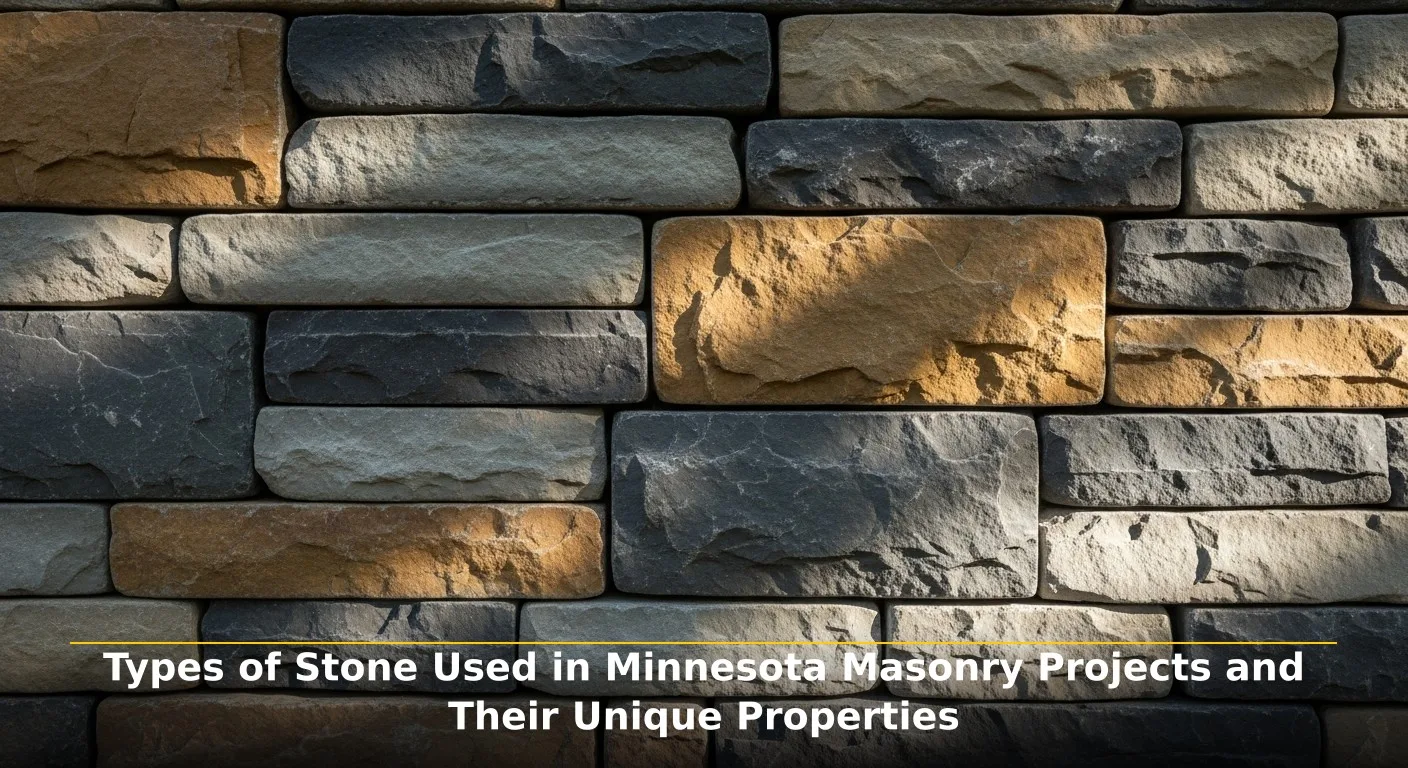
- Visual Appeal: Offers an organic, rugged, and high-end look. Each stone is unique in color, texture, and shape, creating a one-of-a-kind façade.
- Customization: Available in various types (limestone, granite, fieldstone) and finishes (split-face, smooth, thermal). It can be laid in random patterns (rubble) or coursed for an uniform appearance.
- Architectural Trends: Often used for luxury homes and high-profile commercial buildings, stone complements Craftsman, Tudor, and traditional styles.
B. The Classic Charm of Brick
Brick provides a sense of warmth, tradition, and orderly elegance, defined by its consistency and color.
- Visual Appeal: Creates a clean, uniform, and timeless look. The classic running bond pattern is iconic, but herringbone and other patterns offer design flexibility.
- Customization: Available in a spectrum of colors—from classic reds to earthy browns, whites, and grays—through the manufacturing process. Different mortar joint profiles can dramatically alter the building’s character.
- Architectural Trends: Brick is a staple in American residential architecture, particularly in Colonial, Federal, and Georgian styles. Modern trends include using bolder colors, textured exteriors, and innovative, custom brick shapes.
4. The Expert’s Guide: Choosing Between Stone and Brick

There is no single “best” material—only the best material for your specific project, budget, and vision.
A. When to Choose Stone Masonry
- For Maximum Durability and Longevity: Stone is the superior choice if the goal is a structure that will last generations with minimal upkeep.
- For High-Impact Curb Appeal: When achieving custom, luxurious, or unique aesthetic, stone’s natural variation is unmatched.
- For Higher-Budget Projects: Stone is an investment in the permanent value and longevity of a property.
Ideal Applications: Full home exteriors, high-end commercial properties, permanent landscape features, and chimney construction where budget allows.
B. When to Choose Brick Masonry
- For Cost-Effectiveness: When seeking a classic, durable look on a more accessible budget, brick offers unbeatable value.
- For a Traditional Aesthetic: If you’re aiming to blend with existing neighborhood character or achieve a specific historic style, brick is often the most appropriate choice.
- For Consistent and Predictable Results: Uniformity of brick makes it easier to estimate material needs and achieve a predictable visual outcome.
Ideal Applications: The vast majority of residential housing, commercial veneers, garden walls, and walkways.
Expert Tip: The Hybrid Approach
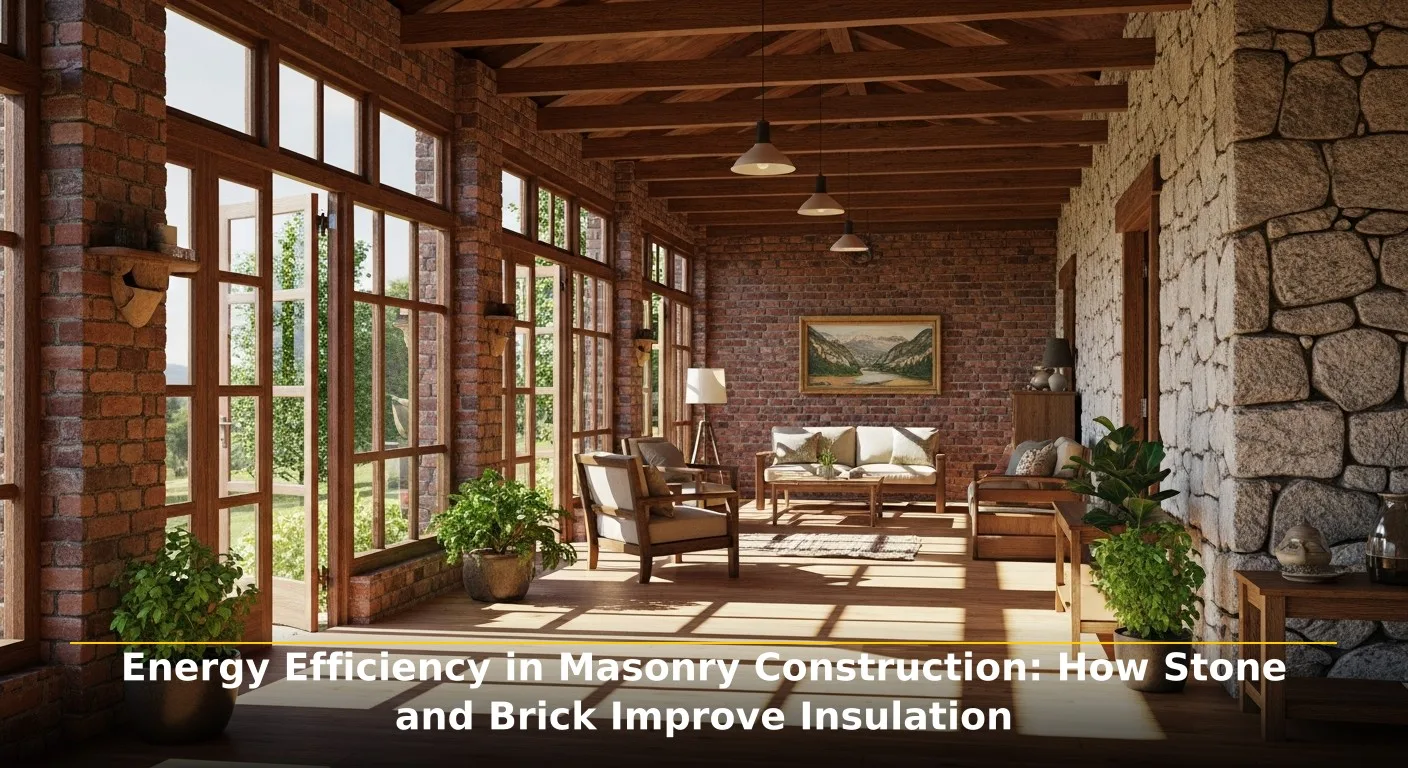
Many builders and homeowners opt for a combination. A common and effective strategy is to use brick for the main facade and natural stone for the foundation, porch columns, or chimney. Doing so creates visual interest and adds a touch of stone’s luxury at a fraction of the cost of a full stone exterior.
Conclusion: Building Your Legacy
Choosing between stone and brick is a balance between immediate investment and enduring value.
- Natural stone offers unparalleled durability and a unique, grand aesthetic for those with the budget to invest in a legacy material.
- Brick provides a time-tested, cost-effective, and beautifully traditional option that delivers excellent performance and longevity.
For properties in cold climates, both materials can perform exceptionally well when paired with professional installation, high-quality mortar, and proactive maintenance including vapor-permeable waterproofing. Your final decision should reflect not just your budget, but the story you want your property to tell for decades to come.
Frequently Asked Questions About Stone Masonry vs. Brick - Durability, Cost, and Aesthetics
1. Can stone and brick be used together on the same structure?
Yes, this is a highly effective design strategy. Implementing stone as an accent on a brick home (e.g., on the foundation, chimney, or entryway) adds visual weight and luxury without the cost of a full stone exterior. This mixed-material approach is also a top architectural trend.
2. Is stone or brick better for resale value?
Both materials significantly boost curb appeal and resale value compared to siding. Stone often commands a slightly higher premium due to its perceived luxury and superior durability, but a well-maintained brick home is also a significant market asset.
3. Which material requires more waterproofing?
Both benefit from professional, vapor-permeable waterproofing in harsh climates. However, brick’s generally higher porosity makes it slightly more vulnerable to water infiltration, making waterproofing critical. Stone’s lower porosity is an advantage, but its mortar joints remain a point of vulnerability for both materials.
4. How does the weight of stone vs. brick affect construction?
Natural stone is significantly heavier than brick, often requiring a more robust and expensive foundation. This is critical in structural engineering and cost planning, especially for full exterior applications.